The best things to do in Madeira mix mountain trails, volcanic pools and a capital city that rewards slow wandering, all packed onto an island you can drive across in a few hours. After years of exploring every corner of this Atlantic island for our readers, we have narrowed it down to twenty experiences that consistently deliver, whether you have three days or three weeks. In this updated guide: how to reach each one, what it actually costs in 2026, and the small details that make the difference between a rushed visit and a proper Madeiran day out.
Funchal: the capital’s essential four
Start in Funchal’s old town, where the painted doors of Rua de Santa Maria and the cathedral square set the tone before you go anywhere else on the island. The cable car to Monte is the classic way up, gliding above the rooftops for roughly fifteen to twenty minutes before dropping you near the Monte church and gardens.
From there, most visitors try the famous Monte toboggan run, a wicker sledge steered downhill by two “carreiros” in white uniforms, a tradition dating back to the nineteenth century. It is touristy by design and not cheap for a ten-minute ride, but it remains one of the island’s genuine one-off experiences. Round off the day at the Madeira Botanical Garden, reached by a second, shorter cable car from Monte, where terraced flower beds and city views justify the detour.
Hiking the levadas and the high peaks
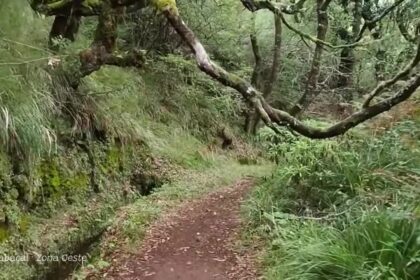
Madeira’s irrigation channels, the levadas, are the backbone of any hiking trip. Levada dos Balcões (PR11) is the gentlest introduction, a flat, shaded walk near Ribeiro Frio ending at a viewpoint over Pico do Arieiro. For something longer, the Rabaçal and 25 Fontes trail (PR6) threads through laurel forest to a natural amphitheatre of waterfalls, one of the island’s most photographed spots.
In the north, the Levada do Caldeirão Verde (PR9) passes tunnels and cliffside paths before reaching a green pool fed by a slender waterfall. For coastal drama, walk out to Ponta de São Lourenço (PR8), the arid, wind-battered tip of the island where cliffs drop straight into a turquoise Atlantic. Serious hikers should tackle the ridge between Pico Ruivo and Pico do Arieiro, Madeira’s highest and third-highest peaks, connected by a spectacular, occasionally vertigo-inducing path above the clouds. Some of the busiest trails now require a free online booking slot, so check the specific rules before setting off.
Natural pools and fishing villages on the coast
The Porto Moniz natural pools, volcanic rock formations on the north-west tip, are Madeira’s most famous swimming spot, with a managed complex offering lifeguards and changing rooms alongside free, wilder pools nearby. Further south, Seixal beach combines black volcanic sand with calmer natural pools, making it a quieter alternative for families.
On the south coast, Câmara de Lobos is a working fishing village of brightly painted boats that once caught Winston Churchill’s eye enough for him to paint it. Just above it, the Cabo Girão skywalk lets you stand on a glass platform suspended over one of Europe’s highest sea cliffs.
Mountain villages, forests and viewpoints
Inland, Curral das Freiras sits at the bottom of a volcanic crater so steep that nuns once hid here from pirate raids; the drive down is half the attraction. Above it, the Eira do Serrado viewpoint gives the classic postcard shot of the valley from a balcony carved into the rock.
For something otherworldly, Fanal Forest is a grove of centuries-old laurel trees that regularly disappears into thick fog, especially atmospheric early in the morning. In the north, Santana’s triangular A-frame houses are a colourful, low-key stop, while Ribeiro Frio pairs a small trout farm with easy access to the Balcões walk and the Laurissilva forest.
On the water and at the table
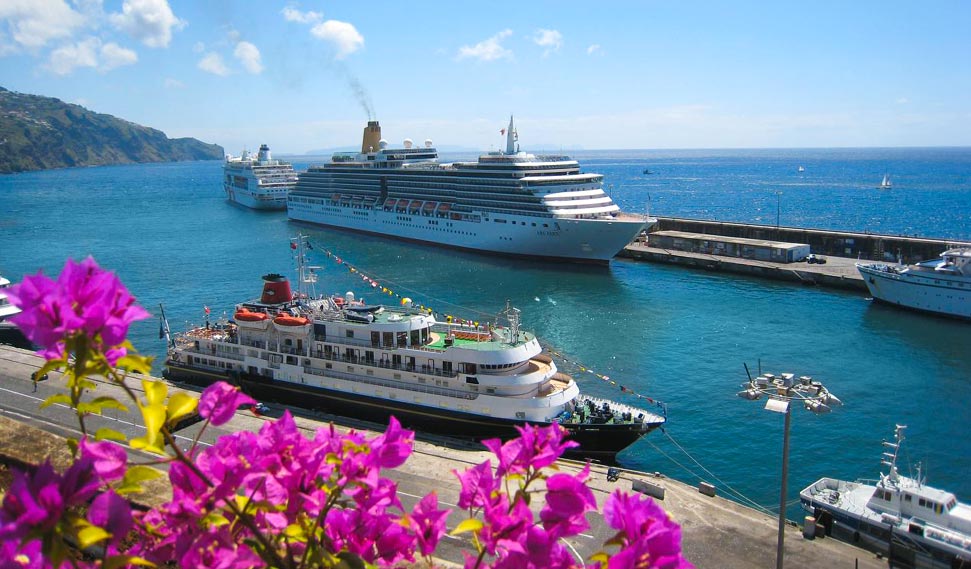
Madeira’s deep coastal waters bring an unusually high number of cetacean species close to shore, and a whale and dolphin watching boat trip out of Funchal marina is one of the most reliable wildlife experiences in Europe, typically lasting two to three hours. Back on land, no visit is complete without trying poncha, the island’s traditional rum, honey and citrus drink, best sampled in a small bar in Câmara de Lobos or Funchal’s old town rather than a hotel version.
| Experience | Location | Typical cost (2026) | Good to know |
|---|---|---|---|
| Monte toboggan ride | Monte, Funchal | From about €27.50 solo; around €35 for two (cash only) | Runs roughly 9am–6pm, Monday to Saturday |
| Funchal cable car to Monte | Funchal city / Monte | Around €18 adult return | 15–20 minute ride; go early to avoid queues |
| Porto Moniz natural pools | Porto Moniz, north-west coast | About €3 entrance | Free wild pools nearby; open roughly 9am–7pm in summer |
| Whale and dolphin watching | Funchal marina | From around €40–60 per person | 2–3 hour trips; check weather-dependent departures |
| Levada dos Balcões (PR11) | Near Ribeiro Frio | Free | Easy, flat, around 1.5 hours return |
- Book high-altitude hikes early: the Pico Ruivo and Arieiro trails fill their booking slots fast in summer, so reserve as soon as your dates are fixed.
- Bring cash for the toboggan: the Monte carreiros only accept cash payment on the day, and it cannot be booked online in advance.
- Rent a car for the north coast: Porto Moniz, Fanal and Seixal are far more flexible by car than by the limited local bus network.
- Pack layers for the mountains: temperatures at Pico do Arieiro can be ten degrees cooler than in Funchal, even in summer.
- Visit natural pools on calm sea days: the Atlantic swell at Porto Moniz can close access to the wilder pools with little notice.
- Combine attractions logically: Cabo Girão and Câmara de Lobos sit minutes apart, as do Ribeiro Frio and the Balcões walk.
Watch: Madeira’s beaches and natural pools in action
Frequently asked questions
How many days do you need to see the best of Madeira?
Five to seven days allow time for Funchal, the north coast, a levada hike and at least one mountain viewpoint without rushing.
Is Madeira good for people who do not like hiking?
Yes; the cable car, toboggan, natural pools and coastal villages require no hiking at all, and viewpoints like Eira do Serrado are reached by short paved paths.
Do I need a car to see these attractions?
A car makes the north coast and mountain villages far easier to reach, though Funchal, Monte and several organised tours are accessible without one.
What is the best time of year to visit Madeira?
April to October generally offers the driest hiking weather, though Madeira’s mild climate makes it a viable year-round destination.
Facts and prices verified in July 2026. For deeper dives, see our full guides to the Pico do Arieiro sunrise hike and the new PR1 rules, the Porto Moniz natural pools, and our Hiking & Levadas category for more trail options across the island.