


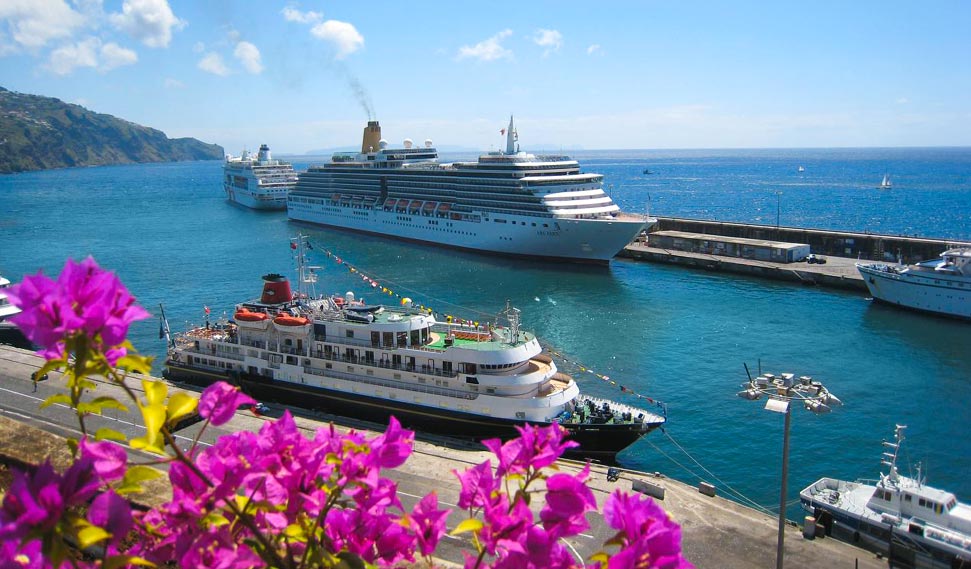
Madeira remains a rewarding destination during hot and dry weather, but visitors must be ready to adapt plans when forest-fire risk rises. Fire-risk alerts can bring temporary restrictions to hiking trails, forest recreation areas, mountain roads and organised activities, especially in exposed upland areas. In this updated guide: learn when conditions are most likely to affect a trip, where to check reliable official information, what to do if you are already outdoors, and how to visit Madeira’s protected landscapes responsibly.
Is there a forest fire season in Madeira?
Madeira does not have a fixed “closed season” for tourism or hiking. However, prolonged heat, low humidity and wind can sharply increase rural-fire danger, most often in the warmer and drier part of the year. The risk is not limited to one coast or one altitude: dry vegetation, strong gusts and difficult terrain can make fires spread quickly in mountain areas, on the eastern peninsula and in rural districts.
For travellers, the important point is that restrictions are based on actual conditions and official risk assessments, not simply the month on the calendar. A sunny forecast in Funchal does not guarantee safe conditions in the mountains. Madeira’s microclimates are real: temperatures, wind and visibility can change considerably between the coast, Paul da Serra, Pico do Areeiro and the island’s forested interior.
During a high-risk spell, the Regional Civil Protection Service may issue preventive advice related to heat, wind, hydration and behaviour in rural or forest spaces. In August 2026, for example, it warned that high temperatures, strong winds and low relative humidity in the highlands could favour the spread of rural fires.
How fire-risk alerts can affect hikes, picnic areas and roads
Trail access is the change most visitors notice first. Madeira’s official PR walking routes can be marked open, restricted or closed due to safety conditions, and their status may change at short notice. A closure can affect a whole route or only a section, so do not assume that a route shown on an old map, social-media post or hotel notice is currently available.
For 2026, all classified PR routes require an advance time-slot reservation through the regional SIMplifica platform. If an IFCN-managed trail is closed, it will not be available to book. The official trail list is therefore both a planning tool and a useful final safety check before leaving your accommodation.
Forest parks, picnic grounds and access roads may also be temporarily restricted where emergency operations, smoke, falling debris or firefighting vehicles make entry unsafe. Never move cones, drive around a barrier or follow a navigation app onto a closed mountain road. These measures are there to keep access clear for emergency services as well as to protect visitors.
Do not build a day around one remote walk. If you had planned an upland route such as Pico do Areeiro, Rabaçal or a forest levada, keep a lower-altitude town, museum, coastal viewpoint or food stop in reserve. Our guide to Pico do Areeiro parking, weather and walking tips is also useful for understanding why flexible plans matter in the high mountains.
| Practical fact | What visitors should know |
|---|---|
| Official trail status | Check the IFCN classified-trail list and Visit Madeira on the morning of your walk. |
| PR trail reservation | Advance reservation is mandatory for classified PR walking routes. |
| Typical 2026 PR fee | €4.50 per visitor for an individual classified route, except PR1 arrangements, which have separate pricing. |
| Fire and emergency number | Call 112. The emergency call is free in Portugal. |
| Bonfires and burnings | Regional Civil Protection states that bonfires and burnings are prohibited from 1 April to 31 October. |
| Best information sources | IFCN for route status, Madeira Civil Protection for warnings, and IPMA for weather alerts. |
Where to check official information before heading out
Check conditions twice: once the evening before and again shortly before departure. Start with the IFCN’s official classified walking-trail page, which shows the current operational status of PR routes. Visit Madeira also directs walkers to check official route status before hiking because weather and safety conditions can change.
Next, look at the Madeira Civil Protection website for active notices and follow the Portuguese Institute for Sea and Atmosphere (IPMA) weather warnings. If your accommodation, rental-car company, guide or local authority tells you an area is restricted, take that advice seriously even if another website has not yet updated.
Visitors joining a guided walk should still check conditions themselves. A responsible operator will alter the itinerary, postpone it or cancel when safety requires it. Ask where the alternative walk will be, whether transport is included, and whether the route is outside any affected forest zone.
What to do if conditions change while you are outdoors
If you see smoke, smell burning, hear sirens or receive instructions from police, firefighters, forest wardens or trail staff, stop and follow directions immediately. Do not continue “just to see where the fire is”, and do not attempt to drive towards a smoke plume for photographs. Roads can become dangerous quickly through poor visibility, heat, falling branches and emergency traffic.
When a route is closed while you are walking, turn back by the safe route you used to arrive unless officials direct otherwise. Do not take an unmarked shortcut through woodland, steep slopes or levada maintenance paths. Those routes may lead towards the affected area, and mobile coverage can be unreliable in ravines and high ground.
In an immediate emergency, call 112. Give the clearest possible location: trail name and PR number, nearest signpost, landmark, kilometre marker, road name or GPS coordinates if available. The Regional Civil Protection Service confirms that 112 is free to call.
If you are driving, keep windows closed if smoke is heavy, use headlights, reduce speed and avoid stopping where you could obstruct emergency access. Madeira’s roads are steep and narrow in many rural areas; read our practical guide to driving Madeira’s mountain roads safely before setting out.
How visitors can help protect Madeira’s forests
Madeira’s trails pass through sensitive habitats, including ancient Laurissilva forest, mountain heath and agricultural terraces. A small careless action can have serious consequences in dry conditions. Leave no litter, particularly glass, cigarette ends and food packaging; take all rubbish back to town rather than leaving it beside a bin or picnic table.
Do not light fires, charcoal barbecues, camping stoves or candles in woodland, on trails or at informal viewpoints. Cigarettes should never be discarded from a car or on the ground. Avoid parking over dry grass, where heat from a vehicle can be a risk, and never use drones near an incident or emergency operation.
- Check before breakfast: Trail status and weather can change overnight, so confirm both on the day of your walk.
- Carry more water than usual: Heat and dry wind increase dehydration, even when cloud makes the temperature feel moderate.
- Choose early starts wisely: Begin only after confirming access is open; do not arrive before gates or staff are operating and assume entry is permitted.
- Keep your phone charged: Download maps offline, but remember that an offline map is not proof that a route is open.
- Respect every closure: A barrier, sign or instruction from an official takes priority over a booked slot, guidebook or GPS route.
- Plan a non-hiking alternative: Keep a town, cave visit, cable-car ride or restaurant booking available for a restricted day.
Frequently asked questions
Is it safe to visit Madeira during the forest fire season?
Yes, provided you stay informed and adjust plans when conditions require it. Most visitors can enjoy Madeira safely, but hot, dry and windy periods demand extra care, especially for hiking and mountain driving.
Can hiking trails close because of fire risk even when there is no visible fire?
Yes. Authorities may restrict access preventively because wind, low humidity, heat or emergency preparedness make forest access unsafe. Always check the official status rather than relying on what you can see from the coast.
Will I receive a refund if a booked PR trail closes?
Check the booking conditions on SIMplifica and with your tour operator before reserving. A closure can override a reservation, so avoid making other non-refundable arrangements that depend on completing one particular trail.
What should I do if I spot smoke from a hiking trail?
Move away from the area using the safest established route, follow official instructions and call 112 if there is immediate danger or you believe you have identified a fire. Do not approach the smoke or use unmarked paths as shortcuts.
Facts and prices verified in October 2026. For safer outdoor planning, see our guides to camping rules and official campsites in Madeira, Levada do Pináculo e Folhadal (PR17), and Madeira’s biggest and oldest trees. Conditions can change quickly: confirm official alerts and trail status again immediately before travel.
