


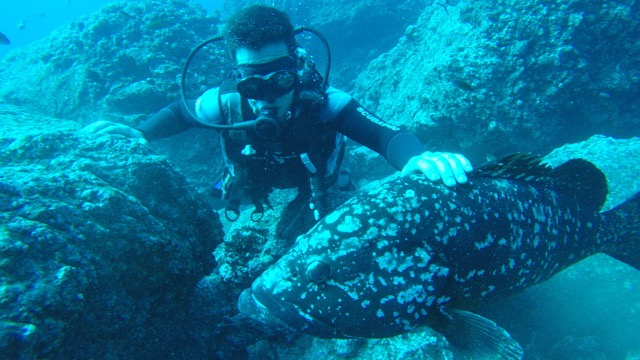
The best snorkelling in Madeira is usually found on the clearer, more sheltered south and east coasts, with Garajau Marine Reserve the standout choice for marine life. Madeira is not a tropical reef destination, but its volcanic shoreline, clean Atlantic water and protected coves can make for excellent fish-spotting when the sea is calm. In this updated guide: the best locations for beginners and confident swimmers, when to go, what conditions to avoid, what equipment to pack and when a guided snorkelling trip is the wiser choice.
Where to find the best snorkelling in Madeira
Madeira’s coast is dramatic rather than uniformly beach-like: many entries are from pebbles, ladders, concrete platforms or volcanic rock. The best experience therefore depends less on choosing a famous name and more on finding a calm morning, clear water and a safe entry point.
Garajau Beach, east of Funchal, is the island’s leading all-round snorkelling location. It sits within the Garajau Partial Nature Reserve, a protected marine area where fishing is prohibited, helping to make the underwater scenery noticeably livelier than at many ordinary bathing areas. Expect volcanic rock, schools of small fish and, with patience and luck, larger species in deeper water.
Reis Magos Beach, in Caniço, is a sensible choice for beginners who want facilities close at hand. The pebble beach has a concrete sunbathing area, a pier, lifeguard supervision during the bathing season, first aid and easy access to cafés. Its clear east-coast water can be very rewarding close to the rocks, but remain within your comfort zone rather than swimming out towards open water.
Porto Moniz is best approached as a natural-pool swimming and gentle snorkelling stop, not as an open-sea adventure. The main volcanic pools receive constantly renewed seawater and have changing rooms, a first-aid post and other facilities. They are particularly useful for families and nervous first-timers who want to practise using a mask and snorkel in a more controlled setting.
| Spot | Best for | What to expect | Access and facilities |
|---|---|---|---|
| Garajau Beach | Confident beginners and stronger swimmers | Protected marine reserve, rocky seabed and abundant fish life | Reach by road or the Garajau cable car; toilets, changing rooms, first aid and restaurants nearby |
| Reis Magos Beach | Beginners wanting an easy beach base | Clear water around a pebble beach and pier | Parking, accessible toilets, bar/restaurant, first aid and seasonal lifeguards |
| Porto Moniz Natural Swimming Pools | Families and first-time snorkellers | Volcanic saltwater pools with sea life around rock edges | Changing rooms, bar, first aid, parking and accessible access |
| Doca do Cavacas, Funchal | Short, convenient sessions | Volcanic pools and direct sea access on Funchal’s western seafront | Useful when staying in Funchal; assess the swell before entering the open sea |
Garajau Marine Reserve: Madeira’s standout snorkelling site
Garajau earns its reputation because it combines relatively straightforward shore access with a genuinely protected underwater environment. The reserve extends along the south-east coast between Lazareto and Ponta da Oliveira, and recreational swimming and amateur diving are permitted. However, fishing, spearfishing, collecting marine life and motorised navigation within the reserve are restricted or prohibited.
For snorkellers, that means one simple rule: look closely, leave everything where it is and keep a respectful distance from wildlife. Do not stand on the rocky seabed, chase fish or feed them. The reserve’s emblematic dusky grouper is a large, impressive fish, but sightings are never guaranteed and should not be pursued.
Garajau is most enjoyable early in the day, before afternoon wind or chop can affect surface conditions. The beach is backed by steep cliffs, so it can feel sheltered, but it is still the Atlantic: swell can wrap into the bay and conditions can change quickly. If you are not confident with waves, pebble entries or swimming above deeper water, choose Reis Magos or a guided trip instead.
Porto Moniz, Reis Magos and sheltered south-coast alternatives
Porto Moniz is one of Madeira’s most memorable places to get in the water, but it is important to distinguish between the enclosed pools and the ocean beyond them. The pools are ideal for trying out your mask, snorkel and fins, looking into rock crevices and building confidence. They are not the place to swim out through channels towards rough open water, especially when waves are breaking visibly over the outer rocks.
Reis Magos is more practical for an independent half-day near Funchal. The bathing complex provides the reassuring basics that matter when you are carrying snorkelling gear: a place to change, somewhere to leave the water safely and staff on site in the supervised season. It is a good compromise for travellers who want natural sea swimming without the isolation of a small cove.
Along the sunnier south coast, bathing complexes and small coves around Funchal, Caniço and the westward villages can be useful alternatives on calm days. Do not assume that a sheltered-looking shoreline is safe merely because it has steps or a swimming platform. Watch the water for several minutes, check the flags and choose pools over exposed sea entries when there is substantial swell.
When to snorkel: seasons, visibility and sea conditions
Snorkelling is possible throughout the year in Madeira. Sea temperatures generally range from around 18°C in winter to 24°C in summer, but the most comfortable period for long, relaxed sessions is usually late spring through early autumn. May to October often brings warmer water and more inviting beach weather, while winter can still offer superbly clear days for snorkellers wearing a wetsuit.
Visibility is not guaranteed by sunshine alone. Wind direction, recent swell, rain runoff and boat activity can all affect clarity. The south coast is generally calmer than the more exposed north coast, while the island’s microclimates mean conditions can differ considerably between Funchal, Caniço and Porto Moniz on the same day.
Check the local forecast and beach flags shortly before setting out, then reassess on arrival. Never enter if the lifeguard advises against it, if waves are surging across rocks or steps, or if you cannot make a calm, controlled exit. For a wider overview of swimming temperatures and seasonal conditions, see our Madeira weather by month guide.
What to bring and when to book a guided trip
A well-fitting mask is far more important than expensive equipment. Bring or hire a mask and snorkel, fins that will not rub, swimwear, a rash vest or thin wetsuit for cooler days, a towel, drinking water and reef-safe sunscreen. Water shoes are especially useful on Madeira’s pebbles and uneven volcanic surfaces, although they are not a substitute for careful footing.
Independent snorkelling works well for experienced swimmers in calm, familiar conditions. A guided excursion is the safer option if you are new to snorkelling, travelling with older children, uneasy in open water, unfamiliar with Atlantic swell or hoping to explore from a boat. Some local guided excursions include a wetsuit, mask, snorkel and fins, alongside a safety briefing and in-water support.
- Go early: Mornings are often calmer, clearer and less crowded than later in the day.
- Test your mask first: Check the seal in shallow water before swimming away from the entry point.
- Wear fins only where you can control them: They help in open water but can be awkward on ladders, rocks and shallow pool edges.
- Respect jellyfish warnings: Do not enter where lifeguards report jellyfish or Portuguese man-of-war sightings, and never touch stranded animals.
- Use sea water after a sting: Leave the water, alert a lifeguard and avoid rubbing the area or rinsing it with fresh water.
- Snorkel with a buddy: Keep each other in sight and agree on a clear turnaround point before entering.
Preguntas frecuentes
Is Garajau good for beginner snorkellers?
Yes, provided the sea is calm and you are comfortable swimming above deeper water. Beginners who are uncertain about waves or pebble entries should stay close to shore, go with a confident companion or book a guided session.
Can you hire snorkelling equipment in Madeira?
Yes. Diving centres and guided snorkelling operators commonly provide masks, snorkels, fins and wetsuits as part of a trip. For independent beach snorkelling, confirm local hire availability in advance rather than relying on every bathing complex having equipment for rent.
Are there dangerous jellyfish in Madeira?
Jellyfish and Portuguese man-of-war can occasionally occur in Madeiran waters. Check beach notices and speak to lifeguards before entering. If there is a warning, choose another activity or a pool where entry is permitted and supervised.
Is Porto Moniz suitable for snorkelling?
Yes, particularly for easy, close-to-the-edge snorkelling in the volcanic pools. Treat the open ocean outside the protected pool areas separately: it can be rough and is not suitable for casual exploration when swell is present.
Facts and prices verified in October 2026. Planning a sea-focused Madeira itinerary? Read our practical guide to getting from Funchal to Porto Moniz by bus, compare underwater experiences in our Madeira scuba diving guide, and browse more ideas in our Beaches & Sea category.
