


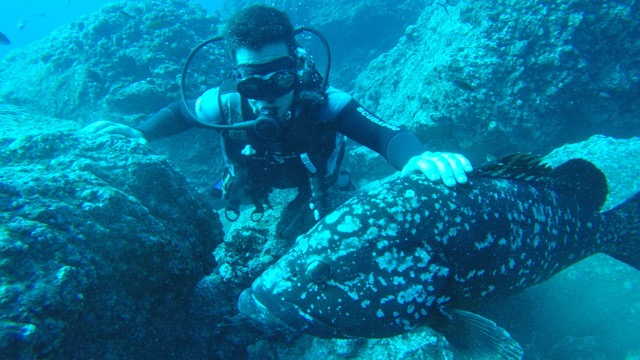
Scuba diving in Madeira, Portugal is excellent for both first-time divers and experienced certified divers, with protected reefs, volcanic walls and one of the island’s most dramatic wreck dives all reachable from the south coast. The island is not a tropical coral destination, but its clear Atlantic water, lava formations and healthy fish life make every dive feel distinctively Madeiran. In this updated guide: where to dive, what you can see, the best season, beginner options, certification requirements and realistic 2026 prices.
Why scuba diving in Madeira is worth adding to your trip
Madeira’s underwater landscape is shaped by volcanic geology: dark rock walls, pinnacles, arches, boulder fields, small tunnels and steep drop-offs rather than broad sandy reefs. Many of the best sites sit along the warmer, generally more sheltered south coast, within easy reach of Funchal, Caniço and Garajau.
The standout area is the Garajau Partial Nature Reserve, a protected stretch of coast between Lazareto and Ponta da Oliveira. Fishing is prohibited here, and the reserve’s long-standing protection has helped create noticeably confident marine life around the rocks. Divers commonly encounter dusky groupers, comb groupers, moray eels, barracuda, amberjacks, rays, parrotfish, trumpetfish, bream and clouds of smaller damselfish.
This is also an activity that works well in a short Madeira itinerary. A shore dive, introductory session or two-dive morning can fit around sightseeing in Funchal, a visit to Cristo Rei do Garajau, or an afternoon exploring the coast.
Best dive sites: Garajau, volcanic reefs and the Afonso Cerqueira wreck
Garajau Marine Reserve is the first choice for many visitors. It has seven established dive areas, including Lazareto, Pináculo, Mamas, Garajau Beach, Baía dos Porcos, Arena and Galo. Conditions and access depend on the day, but the reserve is especially valued for clear water, volcanic topography and the chance to see large resident groupers close to the reef.
Arena Reef, within the protected area, is a good example of Madeira’s accessible volcanic diving. A central pinnacle, rock formations and a small tunnel make it visually interesting without requiring the commitment of a deep wreck dive. It is often used for suitably qualified newer divers when sea conditions are calm.
Caniço de Baixo and Ponta da Oliveira offer practical shore-diving territory east of Funchal. Here, lava tongues, walls, crevices and caves create habitat for morays, shrimp, octopus and schooling fish. Several centres operate directly beside the sea in this area, so it can be particularly convenient for refresher dives, training and relaxed guided dives.
The Afonso Cerqueira wreck, off Cabo Girão, is Madeira’s signature wreck dive. The former Portuguese Navy corvette was deliberately sunk in 2018 and now forms an artificial reef. It is about 85 metres long and lies from roughly 12 to 33 metres, depending on the part of the wreck. This is a proper boat dive for divers with the training, recent experience and conditions appropriate to the planned depth; it should not be treated as a first dive after certification.
Can beginners scuba dive in Madeira?
Yes. You do not need a diving certificate to try a supervised introductory experience, usually sold as Discover Scuba Diving. These sessions begin with safety briefing and basic skills in a pool or shallow, calm water before an instructor-led sea dive. PADI’s Madeira listing for this experience specifies a minimum age of 12, no previous certification and no previous logged dives.
For 2026, published beginner prices vary by centre and inclusions. Azul Diving Center in Funchal lists its Discover Scuba Diving experience at €85 on promotion, while Atalaia Diving Center lists Discover Scuba Diving at €90. Equipment is normally included, but always confirm whether photos, transfers, marine-park arrangements and any extra boat supplement are included before paying.
Certified divers should bring proof of certification, dive insurance if their policy requires it, and an honest account of recent dive experience. A reputable centre may ask for a check dive or refresher if you have not dived for a long time. Do not book a deep site simply because its maximum depth is within your qualification: guides will make the final call according to weather, current, surface conditions and your comfort level.
| Best base areas | Funchal, Caniço de Baixo and Garajau on Madeira’s south coast |
| Water temperature | About 18°C in winter and 24°C in summer |
| Best period for warmer water | Late spring to early autumn; diving operates year-round when conditions allow |
| Beginner option | Discover Scuba Diving; no certification required, minimum age commonly 12 |
| Published 2026 beginner price | €85 with Azul Diving Center promotional rate; €90 with Atalaia Diving Center |
| Certified two-dive example | Atalaia lists two dives with equipment and guide from €125 |
| Flagship wreck | Afonso Cerqueira, off Cabo Girão; approximately 12–33 metres deep |
| Getting to Garajau Beach | Reachable by the Garajau cable car; many dive centres also organise transport or boat departures |
Water temperature, visibility and the best season to dive
Madeira can be dived throughout the year, but the experience changes with the season. The official tourism board gives a broad sea-temperature range of around 18°C in winter to 24°C in summer. Summer and early autumn are the most comfortable months for visitors who dislike cold water, while winter diving generally calls for more thermal protection, often a 7 mm wetsuit or semi-dry suit depending on the diver and planned depth.
From roughly June to October, the sea is usually warmer and boat schedules are busiest. It is the simplest period for a first experience, though advance booking remains sensible during school holidays. Spring and autumn can be rewarding compromises: water is cooling or warming gradually, visitor numbers are lower, and experienced divers may find more flexibility in the schedule.
Winter is not a closed season, but it is more weather-dependent. Atlantic swell and wind can alter departure points, cancel boat trips or make a normally easy shore entry unsuitable. The advantage of staying flexible is that Madeira has several south-coast options, and a good dive centre will choose the safest available site rather than forcing the original plan.
How to book and what to expect on the day
Choose a recognised centre based on your experience level, preferred language, location and whether you want shore, boat or training dives. Funchal is convenient for city stays, while Caniço and Garajau put you closer to several reserve and shore sites. If you are staying in the capital, build in travel time rather than assuming every dive leaves from the marina.
Arrive rested, hydrated and early enough to complete the medical questionnaire and equipment fitting without pressure. Be truthful about asthma, heart conditions, medication, recent illness, ear problems, pregnancy and previous diving injuries; the operator may need medical clearance before allowing you to dive. Avoid alcohol before diving, and follow the instructor’s advice on flying after your final dive. As a cautious rule, leave at least 24 hours between diving and flying.
- Book your first dive early in the holiday: This leaves room to move the session if wind or swell changes the plan.
- Bring your own mask if it fits well: A familiar mask can make a major difference to comfort, even when all other equipment is rented.
- Ask what the quoted price includes: Check equipment, guide, boat supplement, transfers, insurance and photographs before confirming.
- Do not chase depth: Garajau’s groupers and volcanic scenery are often at enjoyable recreational depths.
- Take a refresher seriously: If your last dive was years ago, a skills review will make the trip safer and more enjoyable.
- Keep your final day dry: Plan your last dive at least a day before your flight home, not on departure day.
Preguntas frecuentes
Is scuba diving in Madeira suitable for complete beginners?
Yes. Introductory Discover Scuba Diving sessions are designed for people without certification and include instructor supervision, basic skills practice and equipment.
Do I need an Open Water certificate to dive in Madeira?
You need recognised certification for normal guided recreational dives. You do not need it for an introductory Discover Scuba Diving experience, where you remain under direct instructor supervision.
What marine life can I see while diving in Madeira?
Expect volcanic-reef species such as groupers, morays, bream, damselfish, parrotfish, trumpetfish, rays, barracuda, amberjacks, octopus and crustaceans. Sightings are never guaranteed, and larger pelagic visitors are seasonal and unpredictable.
Is the Afonso Cerqueira wreck suitable for newly certified divers?
Not usually as a first choice. Although its upper structure is shallower, the site reaches well beyond entry-level depth limits and is best planned with an appropriate qualification, recent experience and a centre’s assessment of the conditions.
Facts and prices verified in October 2026. For more ways to enjoy Madeira’s coastline, see our guide to Madeira’s biggest natural swimming pools; for planning costs beyond the dive itself, read how much a Madeira trip costs in 2026; and browse more island inspiration in our Beaches & Sea category.
