Garajau Beach is one of Madeira’s best places for a clear-water swim and easy snorkelling, reached by a scenic cable car or the steep access road below Cristo Rei in Caniço. Set inside a protected marine reserve, this compact pebble beach combines dramatic cliffs, practical bathing facilities and exceptionally good underwater visibility on calm days. In this updated guide: how to reach Praia do Garajau, what the beach is like for swimming, how to use the cable car, and the essential tips for visiting the marine reserve responsibly.
Why visit Garajau Beach?
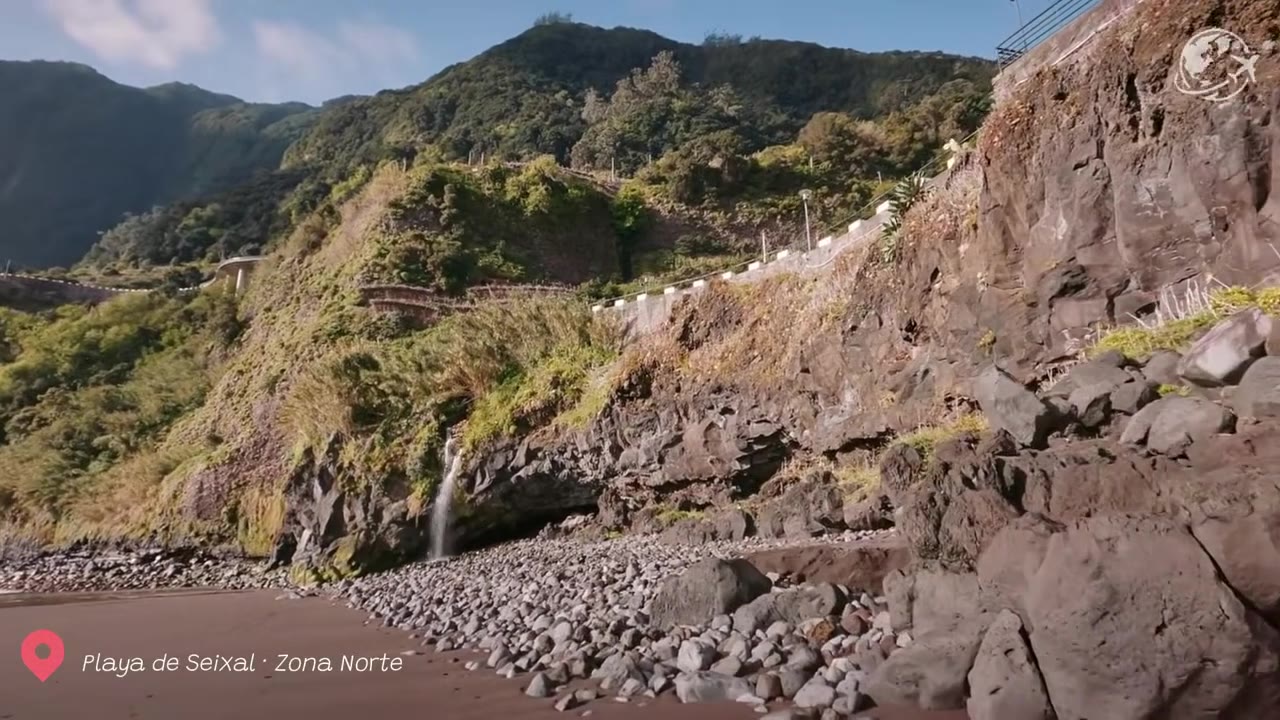
Praia do Garajau sits at the foot of the Ponta do Garajau headland, on Madeira’s south-east coast in the parish of Caniço. It is not a sandy resort beach: expect a shore of dark, rounded pebbles, a deep blue Atlantic backdrop and high volcanic cliffs rising immediately behind the bathing complex.
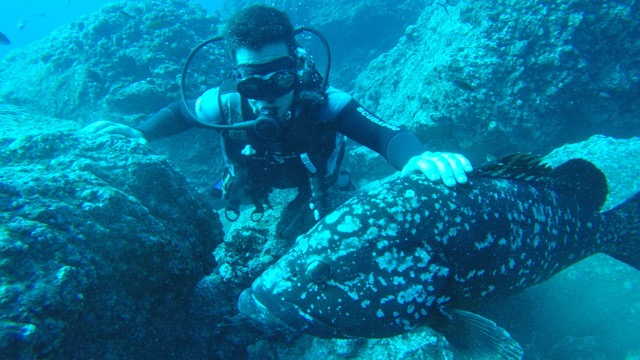
The real reason to come is the sea. Garajau lies within the Garajau Partial Nature Reserve, Madeira’s long-established marine protected area, created in 1986 to safeguard its seabed and marine life. Fishing is prohibited within the reserve and boat traffic is restricted, helping to make the water feel notably peaceful and often very clear. It is particularly well known among divers, but confident swimmers and independent snorkellers can also enjoy the coastal shallows when conditions are settled.
This is a good choice if you want a more natural swimming setting than Funchal’s urban lidos, without travelling far from the city. It also pairs well with the Cristo Rei viewpoint above, where the statue and cliff-edge lookout give a broad view over the reserve and Funchal Bay.
How to get to Praia do Garajau by cable car or car
The most memorable approach is the Garajau Cable Car. Its upper station is beside the Cristo Rei area at Ponta do Garajau, where there is a parking area, and the short descent brings you directly down to the bathing complex. The ride is useful for anyone carrying beach bags, snorkelling equipment or travelling with children, as the return walk up the hillside is steep.
According to Madeira’s official tourism board, the cable car operates from 10:00 to 20:00 in summer and from 10:00 to 18:00 in winter. Check the station notice before relying on the last descent or ascent, especially outside peak summer, as weather, maintenance or operational changes can affect services.
It is also possible to drive towards the beach via Rua da Praia do Garajau. The descent is narrow and steep in places, so take it slowly and avoid treating it as a through-route. Parking is available around the beach area, but spaces are limited when the weather is good. In the main bathing season, access arrangements can be managed to control traffic; follow local signs rather than depending on navigation directions alone.
From Funchal, Garajau is an easy addition to a coastal outing by car. For ideas beyond the beach, see our Madeira east coast day trip guide, which continues towards Santa Cruz, Machico and Caniçal.
| Practical fact | What to know |
|---|---|
| Ubicación | Praia do Garajau, Caniço, municipality of Santa Cruz, on Madeira’s south-east coast. |
| Tipo de playa | Dark volcanic pebbles with direct access to the Atlantic; water becomes deep quickly in places. |
| Cable car access | From the Cristo Rei/Ponta do Garajau area down to the beach. |
| Cable car hours | Summer: 10:00–20:00. Winter: 10:00–18:00. Confirm locally before travelling. |
| Instalaciones | Toilets, changing rooms, first-aid post, food service area and a diving centre are available at the bathing complex. |
| Swimming supervision | Look for the beach flags and lifeguard service during the official bathing season; do not enter the sea when conditions are unsafe. |
| Best for | Swimming, snorkelling, scuba diving, cliff scenery and a half-day trip from Funchal. |
Swimming at Garajau: what the beach and sea are really like
Garajau is comfortable for a swim when the sea is calm, but it is still open Atlantic water rather than a sheltered pool. The pebbles are smoother than sharp rocks, yet water shoes make entering and leaving the sea much easier, particularly where waves have moved the stones into a steeper bank.
The beach shelves away relatively quickly, so weaker swimmers should stay close to shore and families should supervise children continuously. Never assume that a bright, sunny day means gentle water: swell can build unexpectedly, and the safest decision is always to follow the flag system and the lifeguards’ instructions.
There is useful support infrastructure for a natural beach, including changing facilities, toilets and a first-aid point. A snack-bar and restaurant area mean you can spend several hours here without packing a full picnic, although bringing drinking water remains sensible on hot days.
Shade is limited. The cliffs create some changing shade later in the day, but there are long exposed periods around midday. Bring high-factor sun protection, a hat and, if you are staying for the afternoon, ask locally whether parasol hire is operating that day. Madeira’s summer sunshine can feel strong even when a breeze makes the air seem mild; our Madeira summer weather and swimming guide has more practical seasonal advice.
Snorkelling in the Garajau marine reserve
Garajau is one of the island’s most accessible snorkelling locations because you can enter straight from the beach into a protected stretch of sea. On a calm, sunny morning, visibility can be excellent over the rocky seabed. Take a properly fitting mask and snorkel, and use fins only if you are comfortable with them in open water.
Stay close to the entry area until you understand the current, surge and underwater terrain. The reserve is valued for its larger fish as well as its smaller reef life, but wildlife encounters are never guaranteed. Observe quietly, do not chase fish, avoid touching the rocks or seabed, and never feed marine animals.
For first-time visitors, a guided dive or snorkelling activity through the beach’s diving centre is a sensible option. Local professionals can judge the day’s conditions, provide equipment and choose routes appropriate to your experience. Do not snorkel alone, and skip the activity entirely if the sea is choppy, visibility is poor or the safety flags advise against swimming.
Garajau offers a wilder underwater experience than nearby Reis Magos Beach in Caniço, which may suit visitors looking for a more conventional pebble-beach day close to local hotels.
Insider tips for a better Garajau Beach day
- Go early for the clearest water: Morning is often the most pleasant time for snorkelling before wind and beach crowds build.
- Wear water shoes: They make the pebble shore more comfortable and give better grip when getting out of the water.
- Take the cable car if you have heavy gear: It saves the steep uphill return from the beach, particularly after a long swim.
- Check the flags before unpacking: Sea conditions, not the colour of the sky, should decide whether you swim or snorkel.
- Bring your own shade plan: Natural shade is unreliable, and the exposed beach can be very hot around midday.
- Respect the reserve: Leave shells, stones and marine life where they are, and keep clear of any operational diving areas.
Preguntas frecuentes
Is Garajau Beach good for swimming?
Yes, Garajau is excellent for swimming on calm days, with clear water and direct sea access. However, it is an open Atlantic beach with a pebble entry and occasional swell, so always check the flags and stay within your ability.
Can I reach Garajau Beach by cable car?
Yes. The Garajau Cable Car runs between the Cristo Rei/Ponta do Garajau area and the beach. Officially listed hours are 10:00–20:00 in summer and 10:00–18:00 in winter, but check locally for changes before travelling.
Do I need to be an experienced snorkeller at Garajau?
No, but you should be a confident swimmer and only enter in calm conditions. Beginners are better off joining a guided activity or staying close to the beach entry point rather than swimming far along the coast.
Are there restaurants and toilets at Garajau Beach?
Yes. The bathing complex has toilets, changing rooms, a first-aid post and a food service area, while a diving centre operates by the beach for organised underwater activities.
Facts and prices verified in August 2026. Before setting out, confirm cable-car operations and sea safety conditions locally. Continue planning with our guides to Praia Formosa, Madeira’s longest beach in Funchal, and Prainha Beach, a small black-sand cove near Caniçal.