Festa da Anona is Faial’s annual celebration of Madeira’s prized custard apple, combining fresh fruit, local food, producers’ displays and traditional entertainment in a wonderfully local north-coast setting. In this updated guide: learn the confirmed Festa da Anona Faial Madeira dates for 2026, what happens during the event, what to taste and the easiest ways to build it into a day around Santana and the northeast coast.
What is Festa da Anona in Faial?
Known officially as the Exposição Regional da Anona, Festa da Anona is a regional agricultural fair held in Faial, a parish in the municipality of Santana on Madeira’s north coast. The star is the anona: the knobbly green custard apple, whose pale, creamy flesh has a fragrant, sweet flavour. It is an important local crop and a fine example of the subtropical produce made possible by Madeira’s mild climate.
This is not a large-scale tourist festival designed around a single stage or headline act. Its appeal is more grounded: growers bring their fruit, producers and local organisations take stands, and visitors come to browse, eat, meet people and enjoy a proper Madeiran community event. For travellers, it offers a more direct connection with rural Madeira than the island’s big city celebrations.
The fair has long been associated with Faial, where custard-apple growing has particular importance. The 2026 edition was the 35th regional exhibition, underlining how established the event is in the local calendar.
Festa da Anona Faial Madeira dates: when to visit
The festival is normally held around late February or early March, during the custard-apple season. In 2026, the wider programme ran from 24 February to 1 March, while the main public fair and entertainment took place over Saturday 28 February and Sunday 1 March in Faial.
The official opening in 2026 was on the Saturday evening. Sunday brought a parish mass, a performance by the Faial Philharmonic Band, folklore and popular music, followed by the prize-giving for growers and visits to the exhibition stands. Earlier weekday activities included a pruning session for growers and a school cookery workshop, showing that the event is both a public festival and a working celebration of local agriculture.
Dates change from year to year, so do not assume the same weekend will apply next season. If Festa da Anona is the main reason for your trip, check the programme published by the Municipality of Santana or the event organisers before booking accommodation or planning a long cross-island drive.
| Localização | Faial parish, municipality of Santana, Madeira’s north coast |
| Usual season | Late February or early March |
| 2026 main public dates | 28 February and 1 March 2026 |
| 2026 wider programme | 24 February to 1 March 2026 |
| What to expect | Fresh custard apples, products made with anona, regional food stalls, growers’ displays, music and family activities |
| Best way to get there | Hire car for flexibility; interurban buses also link Funchal, Faial and Santana, but check the current timetable |
| Ideal visit length | Two to four hours for the fair, or a full day when combined with Santana and nearby viewpoints |
What to eat, drink and see at the festival
Start with the fruit itself. Choose a ripe anona that gives slightly when pressed, then split it open and eat the soft white flesh with a spoon. The dark seeds are not edible, so simply set them aside. It is a messy but memorable snack, especially if you have only seen custard apples in a supermarket before.
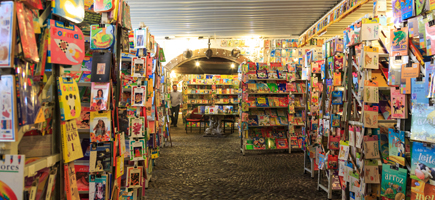
There are usually stalls selling anona in several forms. Depending on the year’s exhibitors, look for smoothies, liqueurs, desserts and other fruit-based specialities alongside fresh produce. The 2026 event also included the traditional barracas of anona derivatives, fruit sales, fair-style gastronomy and stands from institutions and businesses connected with agriculture.
Come hungry rather than treating it as a quick photo stop. Alongside custard-apple products, the event has the informal food-and-drink atmosphere of a Madeiran arraial, with regional snacks and drinks. The exact stallholders and menus vary, which is part of the pleasure: order what looks busiest, ask what is made locally and leave room for something based on anona.
The social programme is equally worthwhile. Recent editions have featured local folk groups, dance, popular music, DJs and the Faial Philharmonic Band. The Sunday prize-giving is particularly interesting for anyone curious about the agricultural side of the festival, as it puts growers and the quality of their fruit at the centre of the occasion.
How to get to Faial and plan your day
Hiring a car is the simplest option for most visitors. It allows you to arrive early, carry purchases such as fresh fruit without fuss and explore beyond the festival afterwards. Faial lies on the northeast side of the island, between the mountain landscapes around Santana and the dramatic coast towards Porto da Cruz and Machico.
Public transport is possible, especially if you are staying in Funchal or Santana, but it needs more planning. Interurban services serve the Santana area and pass through Faial on selected routes. Timetables can differ between weekdays, Saturdays, Sundays and school periods, so confirm the timetable and the final return journey before setting out. On festival weekend, allow extra time around the centre for traffic and parking.
A taxi can work for a one-way journey or a group, but arrange a return collection in advance if you intend to stay into the evening. Faial is a small parish rather than a resort town, and spontaneous late-night transport is less dependable than in Funchal.
For a relaxed self-drive itinerary, visit the exhibition in late morning or early afternoon, then continue to Santana for its traditional thatched houses and mountain scenery. The municipality is part of the UNESCO Biosphere Reserve and makes a rewarding base for exploring the north coast. If you prefer a coastal finish, head towards the Foz da Ribeira do Faial bathing area or stop at the Fortim do Faial viewpoint for wide views towards Penha d’Águia.
Ways to combine the festival with Santana and the northeast coast
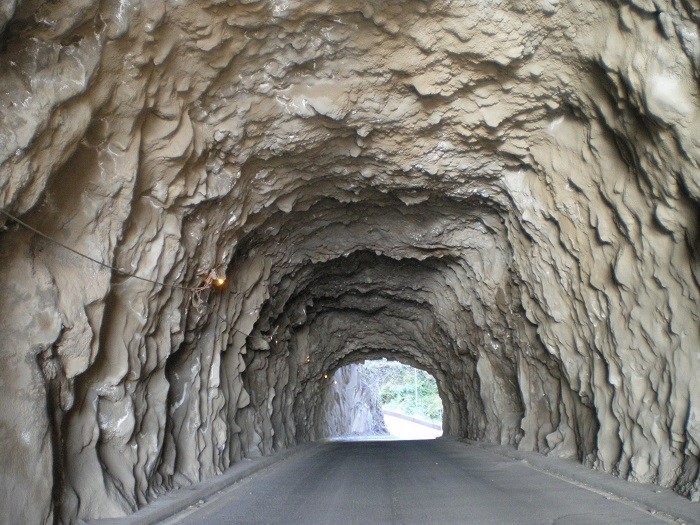
Festa da Anona works especially well as part of a full-day northeast itinerary. Santana is close enough to pair naturally with Faial, while the route from the south or east coast gives you a changing sequence of tunnels, cultivated slopes, forest and Atlantic views.
Travellers coming from Funchal can approach through the east, adding Machico, Porto da Cruz or a viewpoint stop before reaching Faial. Our Madeira east coast day trip guide is useful for shaping this into a realistic route without trying to see too much in one day.
Those staying on the north coast can make a gentler day of it: visit the fair, explore Santana, then continue west towards São Jorge or Ponta Delgada. Weather can be cooler, wetter and more changeable here than in Funchal, even in early spring, so pack a light waterproof layer and do not rely on a beach day as the main plan.
Insider tips for Festa da Anona
- Prioritise the weekend. The public exhibition, main food stalls and stage programme are concentrated on the principal Saturday and Sunday of the event.
- Arrive before lunch. You will have more time to browse the growers’ stands and find parking before the busiest part of the day.
- Bring a reusable bag. Fresh anonas are an excellent edible souvenir, but they need to be carried carefully.
- Ask how ripe the fruit is. Vendors can help you choose fruit to eat that day or fruit that will ripen after a day or two.
- Carry some cash. Smaller festival stalls may not all accept cards, particularly for modest purchases.
- Keep your plans flexible. Check the forecast and road conditions before crossing the island, as north-coast weather can change quickly.
Perguntas frequentes
When is Festa da Anona in Faial?
It is generally held in late February or early March. In 2026, the wider programme ran from 24 February to 1 March, with the main public fair on 28 February and 1 March.
Is Festa da Anona suitable for families?
Yes. It is a community-oriented agricultural festival with food, music, displays and activities that suit a relaxed daytime visit with children.
Do I need a car to visit the festival?
No, but a car makes the day easier and gives you the freedom to combine Faial with Santana, viewpoints or the northeast coast. Buses are available on selected routes, but check both outward and return times carefully.
What is an anona?
Anona is Madeira’s custard apple: a green, segmented tropical fruit with sweet, creamy white flesh and inedible dark seeds. It is best eaten ripe and chilled, or sampled in local desserts and drinks.
Facts and dates verified in September 2026. For more seasonal planning, see our guides to Madeira in spring, o Madeira Chestnut Festival and the island’s wider Culture & History category.