Madeira in autumn is an excellent choice for travellers who want warm sea days, greener landscapes and a calmer rhythm than peak summer. September is often still beach-friendly, October brings harvest celebrations and good walking days, while November is cooler, wetter and especially rewarding for lush scenery and local food. In this updated guide: what Madeira in autumn weather is like from September to November, where to stay for the best chance of sun, how to plan hikes safely around cloud and rain, and the seasonal experiences worth booking around.
What is Madeira like in autumn?
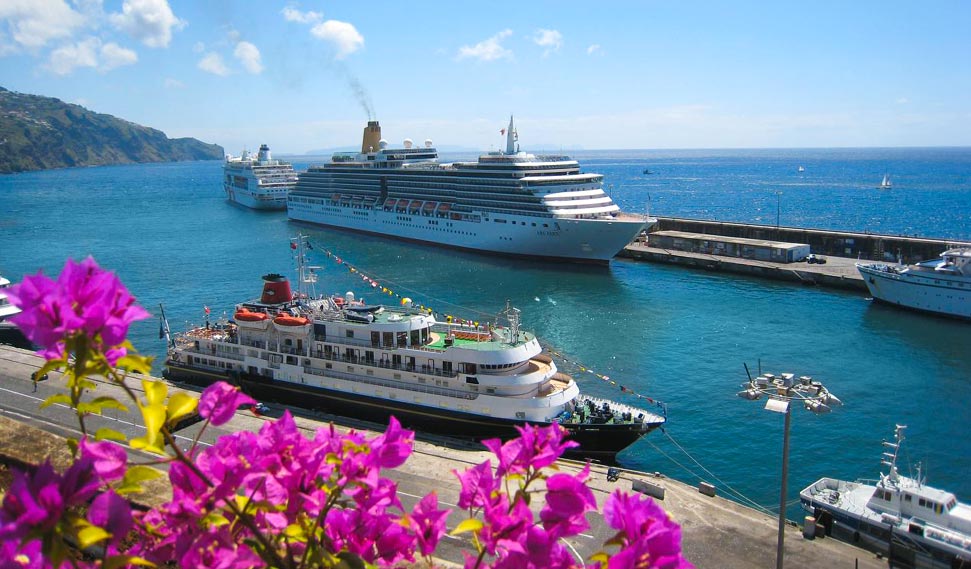
Autumn in Madeira runs from September to November, but it does not feel like a sudden switch from summer to winter. The island’s subtropical Atlantic climate keeps coastal temperatures mild, and the sea retains much of its summer warmth well into autumn. On a clear day, September can feel distinctly summery; by November, you may need a light jacket in Funchal after sunset but can still find pleasant weather on the south coast.
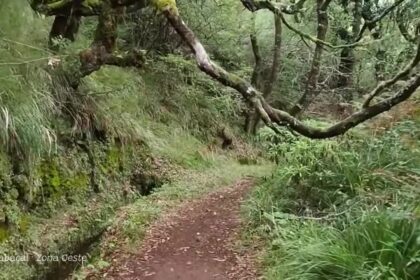
The important detail is Madeira’s microclimates. A sunny morning in Funchal, Caniço or Calheta can coincide with low cloud, drizzle and noticeably cooler air on the central plateau or at Pico do Areeiro. The north coast is generally greener and more exposed to showers, while the south coast is usually the most reliable base for sunshine. Autumn rain refreshes the island after the drier months, so waterfalls, levadas and Laurissilva forest walks can look particularly beautiful.
For a holiday combining swimming, road trips, food and hiking, autumn offers useful flexibility: keep your mountain day movable, then use a brighter coastal day for the beach, a boat trip or an east-coast drive.
| Practical fact | What to know for autumn 2026 |
|---|---|
| Best base for sunshine | Funchal, Caniço, Ponta do Sol, Ribeira Brava, Calheta and Jardim do Mar on the south and south-west coasts. |
| Sea swimming | Usually most appealing in September and October; choose sheltered lidos, beaches or natural pools according to daily swell conditions. |
| Mountain weather | Expect cloud, wind and rain more often than at the coast, especially from October onwards. Check conditions on the morning of your hike. |
| Classified trail booking | Advance booking is required for IFCN-managed classified walking routes, with timed entry slots. |
| 2026 trail fee | €4.50 for an individual classified route other than PR1; the full PR1 route from Pico do Areeiro to Pico Ruivo costs €10.50. |
| Key 2026 autumn events | Madeira Wine Festival: 23 August–13 September. Madeira Nature Festival: 6–11 October. |
September: the best month for sea, wine harvests and long days out
September is the closest autumn comes to summer in Madeira. It is the strongest month of the season for travellers who want to swim as well as sightsee, particularly around Funchal, Garajau, Caniço, Calheta and the south-west villages. Days are still long enough for unhurried drives, late lunches and sunset viewpoints, although you should not assume cloud-free mountains simply because the coast is bright.
The main cultural highlight is the Madeira Wine Festival, which in 2026 runs from 23 August to 13 September. The programme spreads between Funchal and rural wine-growing areas, with harvest-themed events, wine tastings, music and traditional activities. It is a good time to visit Câmara de Lobos and Estreito de Câmara de Lobos, but book accommodation and a rental car early if your trip overlaps with the festival.
For hiking, start early and treat morning visibility as a bonus rather than a guarantee. A levada walk in the forest is often a better choice than an exposed ridge if high cloud is sitting over the peaks. September is also a good month for the eastern peninsula at Ponta de São Lourenço, but take wind protection: it can be much breezier there than in Funchal.
October: the balance of warm coastlines and greener walking conditions
October is one of Madeira’s most balanced travel months. There are still warm, clear days on the coast, but occasional rain becomes more likely and the island quickly looks fresher and greener. This is ideal for travellers whose priority is walking, photography, gardens and village life rather than guaranteed beach weather every day.
The Madeira Nature Festival takes place from 6 to 11 October 2026, with a programme focused on outdoor and nature-based activities across the archipelago. It can be a useful time to find organised walks, sea activities and other active experiences, although independent travellers should still plan their own hikes around the weather forecast and official trail notices.
October is also the sensible time to choose a south-coast base and day-trip elsewhere according to conditions. If cloud covers Paul da Serra, try Funchal’s old town, Câmara de Lobos, Ponta do Sol or a relaxed stop in Ribeira Brava. If the south is overcast but the north forecast is clearer, São Vicente, Seixal and Porto Moniz may be the better call.
November: a quieter, wetter and wonderfully green side of Madeira
November suits travellers who are happy to exchange dependable beach weather for lower-key days, green valleys and more atmospheric forests. Rain is more frequent, particularly in the mountains and north, but it rarely means continuous island-wide rain. Madeira often rewards flexible plans: a wet morning can give way to a dry afternoon on the south coast, or a cloudy day can still be perfect for a short levada walk beneath tree cover.
It is also chestnut season. Curral das Freiras, deep in the central mountains, is closely associated with chestnuts, which appear roasted, in soups, cakes and liqueurs. The village’s Chestnut Festival usually takes place between October and November, but confirm the annual date before building your itinerary around it.
November is not the moment to schedule a high ridge hike as the non-negotiable highlight of a short trip. Give yourself at least two possible hiking days, choose accommodation with easy access to cafés and restaurants for rainy evenings, and keep a scenic driving route in reserve. It is a particularly enjoyable month for Madeira’s substantial comfort food, including espetada, black scabbardfish and seasonal chestnut dishes.
How to plan hikes around rain, cloud and trail closures
Autumn hiking in Madeira is brilliant when planned with realistic expectations. The key is not merely checking a general Funchal forecast; check the mountain forecast, wind, rainfall and the official status of the exact PR route you intend to walk. Conditions can change rapidly at elevation, and wet stone, muddy paths, tunnels and gusty ridges demand more care than the same route in dry summer weather.
Book classified trails before setting out. In 2026, IFCN requires reservations for its managed classified routes, using allocated entry times; the booking process also applies the relevant fee. The official trail list is the authority for closures and restrictions, which can be introduced for weather, safety, erosion or maintenance reasons.
On unsettled days, favour lower-level walks, shorter routes with clear turnaround points, or forest levadas rather than committing to exposed summits. Do not enter a closed trail, attempt a flooded path or assume a route is safe because another visitor has continued. If mountain cloud is thick, save viewpoints such as Pico do Areeiro for another morning and make the most of coastal villages, museums, gardens or a long lunch instead.
Where to stay and what to pack for Madeira in autumn
For the best mix of weather reliability, restaurants and transport connections, stay in Funchal or nearby Caniço. Funchal works well without a car and has the widest range of accommodation, dining and evening options. Caniço and Garajau are quieter alternatives near the airport, with easy access to the sea. For more sun-focused, slower-paced stays, look at Ponta do Sol, Calheta, Jardim do Mar or Ribeira Brava on the south and south-west coast.
North-coast bases such as São Vicente and Santana are superb for greenery and a more rural atmosphere, but they are less practical if your priority is daily sunbathing. They work best for travellers with a car, flexible plans and an interest in forest walks, dramatic coastlines and quieter evenings.
Pack for layers rather than one season. Bring swimwear and sunscreen for the coast, but also a lightweight waterproof jacket, a warm mid-layer, proper walking shoes with grip, a small daypack and a reusable water bottle. Trousers are useful for damp levadas and windy viewpoints; a compact umbrella is useful in towns but not on exposed hiking trails, where wind can make it impractical.
- Keep one hiking day unbooked: Use the clearest forecast window for a summit, ridge or long levada route.
- Base yourself south of the mountains: Funchal, Caniço, Ponta do Sol and Calheta generally give you the best odds of brighter weather.
- Check trail status, not just the forecast: A dry-looking morning does not override an official closure or safety restriction.
- Start early for mountains: Visibility is often better before cloud develops later in the day, and you retain time for a safe change of plan.
- Take waterproofs even in September: Madeira’s high ground can be cool and wet while the coast remains warm and sunny.
- Use rainy days well: Plan wine cellars, markets, restaurants, museums and villages as enjoyable alternatives rather than last-minute compromises.
Frequently asked questions
Is Madeira warm in autumn?
Yes, especially on the south coast. September is often warm enough for regular swimming and beach time, while October can still bring very pleasant coastal days. November is cooler and wetter overall, but mild compared with much of mainland Europe.
Can you swim in Madeira in October?
Yes. Many visitors still swim in October, particularly at sheltered south-coast lidos and beaches. Check local sea conditions on the day, as Atlantic swell can affect exposed beaches and natural pools.
Is November a good month for hiking in Madeira?
It can be excellent for lush landscapes and quieter trails, but it requires flexibility. Plan more than one possible walking day, carry waterproof layers and use the official IFCN information to check route status before travelling to the trailhead.
Where should I stay in Madeira in autumn for the best weather?
Choose the south or south-west coast: Funchal, Caniço, Ponta do Sol, Ribeira Brava, Calheta and Jardim do Mar are practical choices. The north is beautiful and greener, but generally more exposed to cloud and rain.
Facts and prices verified in September 2026. Before hiking, read our guide to Madeira hiking trail closures and fees, plan a flexible route with our Madeira in 7 days by car itinerary, and see what changes later in the year in our guide to Christmas in Madeira.