


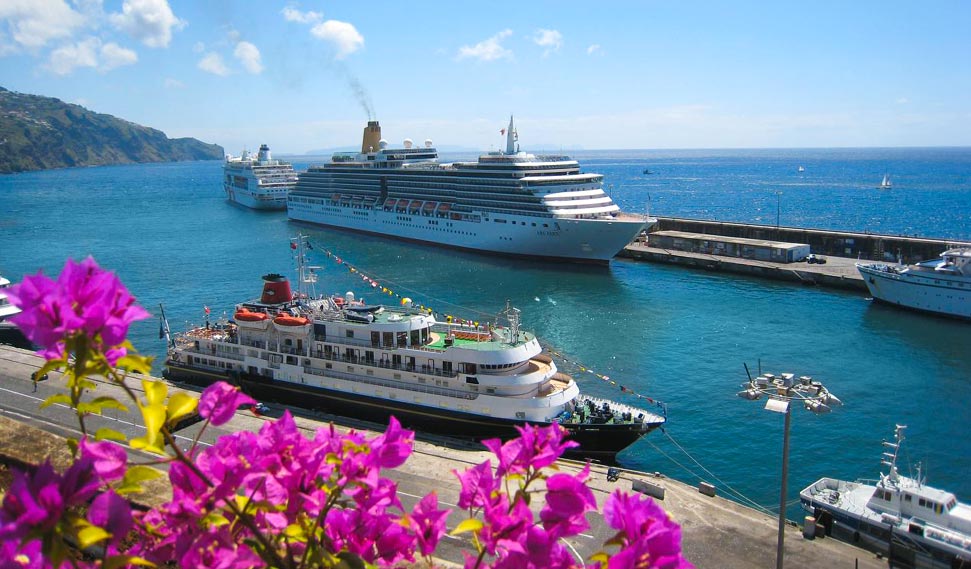
Madeira in spring is one of the island’s most rewarding times to visit, combining mild coastal weather, greener levadas and gardens at their most colourful. March to May is not guaranteed beach weather every day, but it is excellent for walking, scenic drives, village stops and enjoying Madeira before the peak summer rush. In this updated guide: what Madeira in spring weather is like in March, April and May, where to find flowers and clearer skies, what swimming feels like, and how to plan for changeable mountain conditions.
Why visit Madeira in spring?
Spring is when Madeira looks most like the “floating garden” travellers expect: hillsides are intensely green after winter rain, streams and waterfalls are usually lively, and flowering plants brighten gardens, roadsides and village balconies. It is a particularly strong season for travellers who want to spend their days outdoors rather than lie on a beach from morning until evening.
The island’s subtropical climate means there is no sharp switch from winter to summer. Instead, conditions gradually become warmer and drier from March through May, especially on the south coast around Funchal, Câmara de Lobos, Ponta do Sol and Calheta. The north coast and the central mountains remain cooler, wetter and more changeable, which is exactly why Madeira’s landscapes stay so lush.
Spring is also a sensible shoulder-season choice. Flights and accommodation can still rise around school holidays and major events, but March and much of April are generally calmer than high summer. It is a good time to combine Funchal with quieter rural areas, or to follow a flexible self-drive route such as this Madeira in 7 days by car itinerary.
Madeira in spring weather: March, April and May compared
On the coast, spring days are usually mild rather than hot. Long-term climate data for Funchal shows average daytime highs of about 19.8°C in March, 19.9°C in April and 20.9°C in May, while rainfall declines steadily through the season. These figures are useful for planning, but Madeira has pronounced microclimates: a sunny Funchal morning can coincide with low cloud and drizzle in Ribeiro Frio or rain on the north coast.
March is the greenest and least settled of the three months. Expect bright intervals, passing showers and cooler evenings. It is a lovely month for waterfalls, botanical gardens and levada walks, provided you pack for wet paths. A sunny day can be ideal for lunch by the sea, but it is too early to assume reliable sunbathing weather.
April usually brings a more balanced mix of sunshine and fresh, changeable days. The countryside remains vivid, temperatures feel comfortable for walking and the island is increasingly colourful. Easter dates can make some weeks busier, especially in Funchal, so book a rental car or popular tours early if your trip coincides with the holiday period.
May is the best all-round spring month for many visitors. The south coast often feels pleasantly warm, daylight is generous and rain is less frequent in Funchal than earlier in spring. Madeira’s official Flower Festival programme also takes place across late April and May, but you do not need to attend the main events to enjoy flowers: gardens, rural lanes and cultivated terraces are beautiful throughout the season.
| Practical fact | What to expect in spring |
|---|---|
| Best months | March to May, with the most settled conditions usually arriving in May. |
| Funchal average daytime high | March 19.8°C; April 19.9°C; May 20.9°C (long-term climate data). |
| Average monthly rainfall in Funchal | March 58.0 mm; April 36.6 mm; May 29.1 mm (long-term climate data). |
| Mountain conditions | Cooler, windier and often cloudier than the coast; visibility can change quickly around Pico do Areeiro and Paul da Serra. |
| Swimming | Possible on calm, sunny days, especially by May, but the Atlantic remains refreshing and sea conditions vary. |
| Classified walking-trail fee | €4.50 per visitor for most individual IFCN-managed PR routes in 2026; advance online booking is required for applicable routes. |
| How to get around | A rental car gives the greatest flexibility for chasing clearer weather; buses work well for Funchal and selected towns. |
Flowers, gardens and walks without relying on festival crowds
Madeira’s spring colour is not limited to one parade weekend. In Funchal, take time for public gardens, hotel gardens and the slopes above the city, where flowering trees and tropical planting soften almost every viewpoint. Outside the capital, Camacha is an easy cultural detour with rural scenery and traditional wicker-making; read our guide to Camacha, Madeira before you go.
For a gentler spring walk, Rabaçal is a reliable choice when conditions are safe and the official route status is open. The Levada do Alecrim combines woodland, open moorland views and water scenery without the commitment of Madeira’s longest hikes. On the north-east side, the quieter Levada do Castelejo leads from the Porto da Cruz area towards Laurissilva forest, where spring moisture makes the vegetation especially rich.
Do not choose a mountain hike solely because the coast is sunny. Cloud frequently gathers over the central plateau and high ridges, sometimes reducing views to almost nothing. In spring, think of the mountains as a separate weather zone: check the morning forecast, look at live conditions where available and always consult the official IFCN trail-status page before leaving.
Swimming and beach time: realistic expectations
Spring is a bonus beach season, not Madeira’s warm-water season. On a calm, sunny afternoon, many visitors will happily swim, particularly in May, but the Atlantic is cool and the sea can be rough after unsettled weather. Natural lava pools, lidos and sheltered coves can feel more inviting than exposed beaches, yet conditions must always be assessed on the day.
For an easy Funchal-based sea day, Praia Formosa has a long pebbly shoreline and seafront promenade, while Reis Magos in Caniço is a smaller, calmer pebble beach with useful facilities nearby. If you are exploring the east, the sheltered black-sand cove at Prainha can be appealing in settled weather, though it is small and can become busy on warm weekends.
Pack swimwear regardless, but treat it as an option alongside walking shoes. A hotel with a heated pool is a worthwhile choice if swimming is an important part of your holiday, especially for a March stay.
How to plan spring days around Madeira’s microclimates
A flexible itinerary is the secret to a good spring holiday. Keep one or two low-altitude coastal days available for rainy or cloudy mountain mornings, and move your high viewpoints or longer walks to the clearest forecast window. South-coast villages often offer warmer breaks in the weather, while São Vicente, Santana and Porto Moniz reward visitors with dramatic greenery even when skies are grey.
If low cloud covers Pico do Areeiro, do not automatically write off the day. Sometimes the cloud layer sits below high viewpoints, creating a memorable sea-of-clouds effect; Bica da Cana viewpoint is one place where this can be striking. Equally, do not drive up simply hoping it will clear: wind, fog and rain can make exposed viewpoints unpleasant.
For walking, reservations and access rules now matter as much as the forecast. In 2026, applicable IFCN-managed classified trails use online time slots, and availability can disappear on popular routes. Read our practical guide to Madeira hiking trail closures and fees, then book only after checking the current official status.
What to pack for Madeira from March to May
Bring layers rather than a single warm-weather wardrobe. For Funchal and the south coast, light clothing works well during the day, but a jumper or light jacket is useful after sunset. For levadas and viewpoints, take a waterproof outer layer, comfortable walking shoes with grip, a small daypack, water and sun protection. Mountain temperatures can feel far lower than those shown for the coast once wind and damp air are added.
- Carry a light waterproof every day: short showers are common in March and April, and mountain mist can be wet even without proper rain.
- Use proper walking shoes: levada paths can be slippery after rain, especially on shaded sections and stone steps.
- Plan high routes early: mornings often offer the clearest chance of views before cloud builds over the interior.
- Keep a coastal alternative: swap a cloudy mountain day for Funchal, a wine tasting, a museum or a south-coast village.
- Book official PR routes before setting out: a trail being physically nearby does not mean its required time slot is still available.
- Do not underestimate sun: spring sunshine can be strong at altitude even when the air feels cool.
Preguntas frecuentes
Is March a good time to visit Madeira?
Yes. March is excellent for green landscapes, waterfalls, gardens and quieter sightseeing. It is also the wettest and most changeable spring month, so it suits travellers who value walking and scenery more than guaranteed beach weather.
Is Madeira warm enough to swim in April?
It can be, particularly on bright and calm days, but the Atlantic feels cool and conditions vary. Many visitors prefer a heated hotel pool in April, while still bringing swimwear for lidos, natural pools and sunny beach stops.
What is the best spring month for Madeira?
May is usually the strongest choice for a mix of mild warmth, greener landscapes, lower rainfall and flowers. April is a close second if you prefer a slightly quieter visit and do not mind a greater chance of showers.
Will the mountains be cloudy in spring?
They can be, even when Funchal is sunny. Madeira’s central peaks and plateau create their own weather, so check conditions on the day and keep your itinerary flexible rather than treating a mountain hike as fixed.
Facts and prices verified in August 2026. For more seasonal planning, see our guides to Madeira in winter, Madeira in summer y getting from Madeira Airport to Funchal. Weather and trail conditions can change quickly, so always confirm the forecast and official hiking notices immediately before travel.
