Bolo do caco is Madeira’s essential warm garlic bread: a soft, lightly chewy sweet-potato flatbread, cooked on a hot stone or griddle and best eaten immediately. In this updated guide, you will learn what makes it different from ordinary bread, how to recognise a good one, and where to look for the best bolo do caco in Madeira. We also explain the Portuguese words to use when ordering, plus the sandwiches, fillings and local dishes that pair particularly well with it.
What is bolo do caco?
Despite the name, bolo do caco is not a cake. It is a round, flattened bread made with wheat flour and sweet potato, a combination that gives the dough its gentle sweetness, soft centre and distinctive, slightly springy texture. It is one of Madeira’s most recognisable foods, served everywhere from simple snack bars to traditional restaurants.
The word caco refers to the heated stone on which the bread was traditionally cooked. Historically, the dough was baked directly on a very hot basalt stone; in homes and commercial kitchens today, a heavy iron griddle is more common. The method matters: it gives the bread a toasted, lightly crisp surface while keeping the inside tender.
Bolo do caco has close links with both Madeira and Porto Santo, Madeira’s smaller neighbouring island. There is an important difference for food-minded visitors: Porto Santo’s version is generally larger and thicker, and traditionally does not contain sweet potato. On Madeira Island, the sweet-potato dough is the style most travellers will encounter.
Why the garlic-butter version is the classic order
The simplest and most satisfying way to eat it is bolo do caco com manteiga de alho: warm bread split open and generously spread with garlic butter, usually finished with parsley or coriander. The heat melts the butter into the crumb, creating a rich, aromatic starter that is ideal for sharing.
Order it before a meal rather than assuming it will arrive automatically. In Portugal, bread may be placed on the table as a couvert, but you should check whether it has been requested and whether it is charged. If you want the proper Madeiran version, ask specifically for bolo do caco com manteiga de alho, not simply pão com alho, which may be an entirely different garlic bread.
A well-made portion should arrive hot, with a lightly browned exterior and butter that has just begun to soak into the bread. It should not be dry, cold or overly bready. The sweet potato is subtle rather than dessert-like: expect a mild sweetness that balances the salt, garlic and herbs.
| What it is | Round Madeiran flatbread made with flour and sweet potato |
| Traditional cooking method | Cooked on a heated caco stone; modern kitchens commonly use a griddle |
| Classic order | Bolo do caco com manteiga de alho |
| Best time to eat it | As a starter, afternoon snack or sandwich at lunch |
| Most popular sandwich | Prego no bolo do caco, a steak sandwich |
| Where to find it | Traditional restaurants, local snack bars, bakeries and food stalls across Madeira |
| Dietary note | Usually contains wheat; ask staff about ingredients and cross-contact if you have an allergy or coeliac disease |
How to order bolo do caco like a local
For a snack or starter, keep it straightforward: um bolo do caco com manteiga de alho, por favor. A full round is commonly cut into wedges and is easy to share between two people before dinner. If you are eating alone after a walk, it can be enough to tide you over until a later meal.
For something more substantial, look for prego no bolo do caco. This is one of Madeira’s classic casual meals: a thin beef steak, often with garlic and sometimes cheese, tucked inside the warm bread. It is filling, messy in the best way and far more satisfying than a standard burger when you want a quick local lunch.
Other good words to know are com queijo (with cheese), com chouriço (with Portuguese sausage) and misto (usually a ham-and-cheese combination). Menus vary, but the garlic-butter bread may also be offered alongside grilled meat, seafood or a sharing platter. Madeira’s official tourism board specifically notes cheese and chorizo as common variations, as well as its role beside espetada and as the base for a prego.
Where to eat the best bolo do caco in Madeira
The best bolo do caco in Madeira is usually not about finding one fashionable address; it is about choosing a place that cooks it to order. Prioritise restaurants and snack bars where you can see a busy grill, especially at lunchtime or early evening, rather than pre-packed bread sitting behind a counter.
In Funchal, traditional Madeiran restaurants and unfussy snack bars around the centre are dependable choices, particularly when the bread is listed with garlic butter, steak sandwiches or regional dishes. The old town is convenient for visitors, but do not limit yourself to the busiest streets: small neighbourhood cafés and lunchtime spots often make a better-value, fresher version.
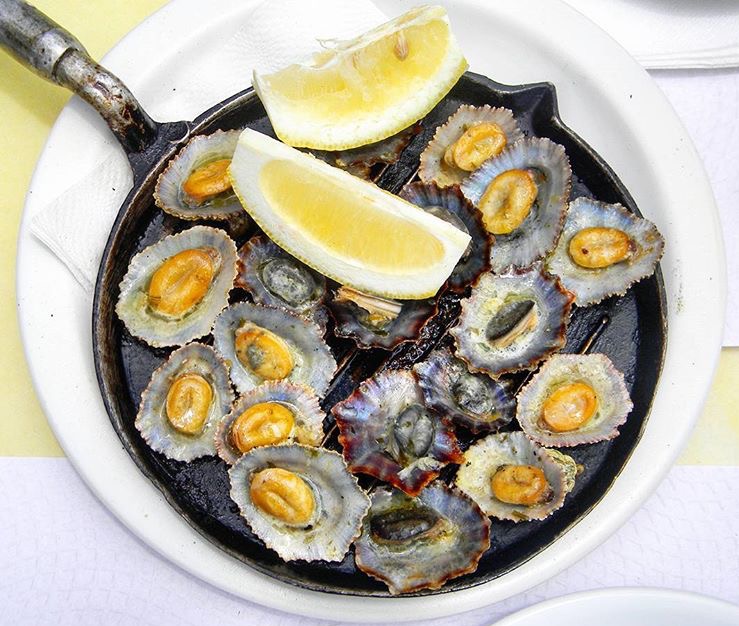
Outside the capital, order it at a traditional restaurant when having grilled meat. It is a natural accompaniment to Madeira espetada, the island’s laurel-skewer beef speciality, because the bread is ideal for catching the meat juices and garlic butter. In fishing villages, it also works brilliantly with grilled limpets or simple fish dishes.
If you are touring the island by car, stop for it as a proper snack rather than treating it as only a dinner starter. It travels poorly once cold, so eat it where you buy it. Visitors using public transport can still find it easily in Funchal and larger towns; use this guide to getting around Madeira by bus to plan food stops around your route.
What to drink and eat with it
Garlic-butter bolo do caco is rich enough to need a refreshing drink. A cold local beer is the easy choice, while a dry white wine works well beside fish or limpets. For an unmistakably Madeiran combination, have it before or alongside a poncha, Madeira’s traditional sugar-cane-spirit drink, but remember that poncha is stronger than it tastes.
At dinner, pair the bread with espetada, grilled limpets, octopus or black scabbardfish. For lunch, choose a prego sandwich and add chips only if you have a serious appetite. The bread itself is substantial, and its sweet-potato dough makes it more filling than it first appears.
- Ask for it hot: Freshly cooked bolo do caco is dramatically better than bread that has been prepared in advance.
- Use the full name: Say bolo do caco com manteiga de alho to avoid receiving ordinary garlic bread.
- Share a starter: One garlic-butter portion is often ideal for two people before a main meal.
- Try a prego at lunch: A prego no bolo do caco is one of Madeira’s most satisfying quick meals.
- Look beyond Funchal’s busiest terraces: Busy local snack bars and traditional restaurants are often the strongest bet for freshness.
- Do not assume it is gluten-free: Sweet potato does not replace the wheat flour, so always ask if you have a dietary requirement.
Frequently asked questions
Is bolo do caco sweet?
It has a mild natural sweetness from sweet potato, but it is a savoury bread. Garlic butter, herbs, cheese and meat fillings are the usual ways it is served.
What does bolo do caco mean?
Bolo means cake or round bread in this context, while caco refers to the hot stone traditionally used to cook it.
Is bolo do caco a starter or a main meal?
It can be either. Garlic-butter bolo do caco is usually a starter or snack, while a prego steak sandwich in bolo do caco is a complete casual meal.
Can vegetarians eat bolo do caco?
The basic bread is generally suitable for vegetarians, but confirm the butter and fillings when ordering. Garlic-butter versions may use dairy, and some kitchens may cook or handle foods on shared equipment.
Facts and prices verified in August 2026. For more food planning, read our guides to Madeira espetada and poncha, then see how to spend one day in Funchal for an easy first-day eating itinerary.